
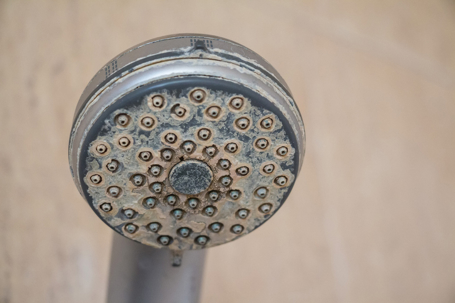
For many Phoenix homeowners, hard water is simply part of everyday life. You may notice spots on your dishes, mineral buildup around faucets, or the need to clean fixtures more often. What may be less obvious is what those same minerals can be doing inside your plumbing and water heater.
Hard water contains minerals such as calcium and magnesium. When heated, mineral-rich water can contribute to deposits that settle inside a water heater. Over time, that buildup can affect how efficiently the system operates and may contribute to problems that are not immediately obvious from the outside.
Because a water heater can continue producing hot water while these issues develop, homeowners may not realize there is a problem until performance changes. Understanding the connection between hard water and water heater maintenance can help Phoenix homeowners recognize potential warning signs and decide when professional service may be appropriate.
Why Is Hard Water a Concern for Phoenix Water Heaters?
Hard water itself does not necessarily mean that a water heater will fail. The concern is the mineral content that can accumulate over time, particularly when water is repeatedly heated.
Inside a traditional tank-style water heater, minerals can settle toward the bottom of the tank. As deposits build up, they can create a layer between the water and the heating surface. The system may then need to work harder to heat the water.
That does not always produce an immediate or dramatic symptom. Instead, a homeowner may gradually notice that the water heater does not perform as it once did. The system may take longer to recover after several people shower, or the household may begin using more energy without an obvious change in water usage.
Phoenix homeowners should also remember that water heaters are only one part of the plumbing system affected by mineral-heavy water. Hard water can contribute to buildup inside pipes, fixtures, and other water-using appliances.
What Does Mineral Buildup Look Like Inside a Water Heater?
The most frustrating part of mineral buildup is that much of it happens where you cannot see it.
A water heater can look perfectly normal from the outside while deposits are developing inside the tank. You may not see anything unusual until the buildup begins affecting performance.
One possible sign is unusual noise during operation. A water heater that makes popping, rumbling, or other unfamiliar sounds may be dealing with sediment or mineral deposits inside the tank. These sounds can occur when water becomes trapped beneath accumulated material and is heated.
Another possible sign is inconsistent hot water. If your household is suddenly running out of hot water faster than expected, there could be several explanations. The water heater may be aging, a component may be wearing out, or mineral buildup could be affecting its operation.
These signs do not automatically mean hard water is the cause. However, there are good reasons to have the system inspected rather than waiting for a complete failure.
Could Hard Water Make a Water Heater Less Efficient?
It can contribute to reduced efficiency over time.
A water heater’s job is straightforward: heat water and maintain it at the desired temperature. When deposits accumulate inside the system, the heating process may become less efficient.
For a homeowner, the result may be gradual rather than dramatic. You may notice that the system runs longer, your hot water recovery is slower, or your energy costs are higher without a clear explanation.
There are many factors that affect utility costs, so a higher bill does not automatically point to a water heater problem. Still, if rising energy costs occur alongside changes in hot water performance, it may be worth having the system evaluated.
Routine maintenance can also help identify developing issues before they become more disruptive. Depending on the type and condition of the water heater, maintenance may include inspection, cleaning, or other services recommended for the system.
What Other Signs Should Phoenix Homeowners Watch For?
Pay attention to changes rather than waiting for the water heater to stop working completely.
Unusual noises are one potential warning sign. So are leaks, rusty or discolored water, inconsistent temperatures, and a noticeable decline in hot water availability. If your water heater is taking longer to provide hot water or seems to be struggling to keep up with normal household demand, an inspection can help determine what is happening.
The age of the system also matters. An older water heater may be more likely to need repairs or replacement, especially if it has already experienced recurring problems.
It is important not to assume that every symptom means the same thing. A leak, for example, can have several possible causes. Likewise, poor hot water performance may be related to a heating component, thermostat, sediment, system size, or another issue.
A professional evaluation can help identify the actual cause rather than relying on guesswork.
Can Water Softening Help Protect a Water Heater?
For homeowners dealing with hard water, water treatment may be part of a broader strategy to protect plumbing and water-using appliances.
A water softener is designed to reduce the concentration of minerals associated with hard water. By addressing water quality, homeowners may be able to reduce mineral buildup throughout the home.
That can be especially relevant in a place like Phoenix, where hard water is a common concern. A water softening system may benefit more than just the water heater. Depending on the home’s plumbing and water usage, reducing mineral buildup may also help protect fixtures, pipes, and other appliances.
However, installing a water softener does not eliminate the need to maintain an existing water heater. If mineral buildup has already developed, the system may still need inspection or service.
When Should You Have Your Phoenix Water Heater Checked?
You do not have to wait for a complete breakdown before calling for help.
If your water heater is making unusual noises, leaking, producing inconsistent hot water, or showing signs of declining performance, consider scheduling an inspection. Routine maintenance can also provide an opportunity to identify wear, buildup, or other concerns before they become an unexpected disruption.
Homeowners with hard water may want to be particularly attentive to maintenance because mineral buildup can develop gradually and may not be obvious from the outside.
The right maintenance schedule depends on the type of water heater, its age, water conditions, usage, and overall condition. A professional can help determine what type of service makes sense for your particular system.
How Can Donley A/C and Plumbing Help?
Hard water is a reality for many Phoenix homeowners, but that does not mean you should ignore its potential impact on your plumbing and water heater.
Donley A/C and Plumbing provides water heater repair, installation, replacement, and maintenance services for homeowners throughout the Phoenix area. The team can evaluate your system, explain what may be affecting its performance, and help you understand your options without unnecessary guesswork.
If you have noticed unusual noises, inconsistent hot water, leaks, or other changes in your water heater, contact Donley A/C and Plumbing at (480) 500-9516 to discuss your service needs.