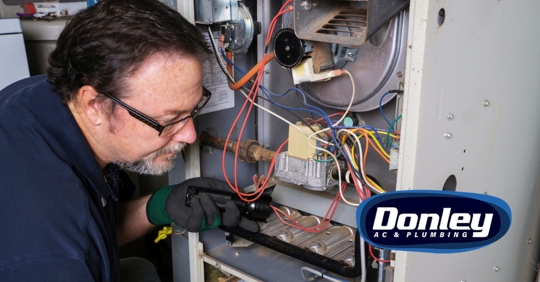
As winter temperatures drop across Arizona, your furnace becomes one of the most important systems in your home. When it starts making strange noises or fails to heat your space properly, you're faced with a critical decision: should you repair your existing unit or invest in a replacement? This choice affects not only your immediate comfort but also your long-term energy costs and peace of mind throughout the heating season.
Don't let a failing furnace leave your family in the cold. Call (602) 698-8912 or fill out our online contact form today for an honest assessment of your heating system.
Understanding Your Furnace's Lifespan
Most furnaces are built to last between 15 and 20 years with proper maintenance. However, the actual lifespan depends on several factors including installation quality, usage patterns, and how well the system has been maintained over the years. If your unit is approaching or has exceeded this age range, replacement often makes more financial sense than continued repairs. Older systems also operate less efficiently than modern models, which means you're paying more each month to heat your home. Even a well-maintained older furnace can't match the energy efficiency standards that newer units must meet.
Warning Signs Your Furnace Needs Attention
Rising Energy Bills
One of the first indicators that your furnace is struggling comes through your utility bills. If you notice a steady increase in heating costs without a corresponding increase in usage, your system is working harder to maintain the same temperature. This inefficiency typically worsens over time as internal components wear out. Comparing your current bills to previous winters can help you identify this trend early.
Frequent Repairs
When repair calls become a regular occurrence, it's time to evaluate the bigger picture. Consider how much you've spent on fixes over the past two years. If those costs are adding up to more than one-third of what a new system would cost, replacement is usually the smarter choice. Each breakdown also means discomfort for your family and the hassle of scheduling emergency service.
Uneven Heating Throughout Your Home
Do some rooms feel comfortable while others remain cold? This common problem suggests your furnace can no longer distribute heat evenly throughout your ductwork. While duct issues can sometimes be the culprit, an aging furnace that lacks the power to push heated air effectively is often to blame. You shouldn't have to layer up with blankets in certain rooms while other areas feel warm.
Strange Sounds or Odors
Your furnace should operate relatively quietly with just a gentle hum. Banging, rattling, squealing, or grinding noises indicate mechanical problems that need immediate attention. Similarly, unusual smells beyond the brief dusty odor when you first turn on your heating system for the season warrant investigation. A persistent burning smell or the scent of gas requires immediate professional inspection.
The Repair vs. Replace Decision Framework
When Repair Makes Sense
Repair is typically the right choice when your furnace is less than 10 years old and has been well-maintained. If the specific problem is minor and isolated—such as a faulty thermostat, clogged filter, or worn belt—fixing it is straightforward and cost-effective. A single repair on a relatively young system can provide many more years of reliable service. You should also consider repair if the cost is minimal and your budget doesn't currently allow for a replacement.
When Replacement Is the Better Investment
Several scenarios point toward replacement as the wiser decision:
- Age plus expense: If your furnace is over 15 years old and the repair costs exceed 50% of a new unit's price, replacement typically offers better value. You'll avoid throwing money at a system that will likely need additional repairs soon.
- Declining efficiency: Older furnaces often operate at 60-70% efficiency, while modern systems can reach 95% or higher. The energy savings from a new, high-efficiency unit can significantly offset the purchase price over time.
- Refrigerant issues: If you have an older furnace with a heat pump component using R-22 refrigerant, replacement is advisable since this refrigerant is being phased out and has become expensive.
- Carbon monoxide concerns: Any indication of a cracked heat exchanger is a serious safety issue. While repairs might be technically possible, the risk to your family's health makes replacement the responsible choice.
Financial Considerations for Your Decision
The True Cost of Continued Repairs
Before committing to another repair, calculate what you've already invested in fixes over the past few years. Add the current repair estimate to that total. This cumulative cost often surprises homeowners who have been tackling issues one at a time. Also factor in the value of your time dealing with service calls and the stress of wondering when the next breakdown will occur.
Long-Term Savings with Replacement
A new, energy-efficient furnace reduces your monthly utility bills, and these savings accumulate over the system's lifespan. Many modern furnaces also come with warranties that cover parts and sometimes labor for several years. You'll gain reliability that older systems simply cannot provide. Some utility companies and manufacturers offer rebates or incentives for high-efficiency systems, which can reduce your upfront investment.
Making Your Decision with Professional Guidance
What to Expect During a Professional Assessment
A thorough evaluation by an experienced technician provides the information you need to make an informed choice. The assessment should include a complete inspection of your furnace's components, efficiency testing, and a review of your system's repair history. The technician should explain any issues in clear terms and provide cost estimates for both repair and replacement options. This transparency allows you to weigh your options without pressure.
Questions to Ask Your HVAC Professional
Don't hesitate to ask detailed questions during your assessment:
- What is the expected remaining lifespan of my current furnace?
- How does my system's efficiency compare to current models?
- What size and type of system would best suit my home?
- Are there financing options or rebates available?
- What warranties come with a new system?
These conversations help you understand not just the immediate recommendation but the reasoning behind it.
How Arizona's Climate Affects Your Decision
While Arizona winters are milder than many regions, you still rely on your furnace during cold nights and early mornings. The climate's dramatic temperature swings between day and night mean your system cycles on and off frequently. This pattern can actually accelerate wear on certain components. Desert dust also affects furnace longevity, making regular maintenance especially important in Scottsdale, Mesa, and surrounding communities.
Get Expert Advice on Your Furnace Today
Deciding whether to repair or replace your furnace doesn't have to be overwhelming. Donley A/C and Plumbing has helped countless Arizona homeowners navigate this choice with honest assessments and clear explanations. Our team will evaluate your specific situation and provide recommendations based on your home's needs and your budget.
Contact us at (602) 698-8912 or through our online contact form to schedule your furnace evaluation and ensure your home stays comfortable all winter long.